Decking Hammersmith
Hammersmith packs a huge variety of property styles into a relatively compact part of West London. There are Victorian terraces running away from King Street, larger homes towards Ravenscourt Park, mansion flats, riverside properties and newer apartment developments. That variety matters when designing decking because the solution that works for a sheltered family garden may be completely wrong for an exposed terrace overlooking the Thames.
We provide decking installations throughout Hammersmith, creating spaces for dining, entertaining, relaxing and simply making better use of a garden. Around Ravenscourt Park, where properties commonly have more established residential surroundings, a deck might form part of a wider landscaped garden. Closer to the river, outdoor areas can be more compact and exposed, requiring greater attention to drainage, materials and how the finished surface handles changing weather. Ravenscourt Park is one of the borough's major green spaces, while Furnivall Gardens sits directly alongside the Thames in Hammersmith.
The River Thames is a defining part of Hammersmith, particularly around Upper Mall, Lower Mall and Hammersmith Bridge. The council identifies much of the riverside as being within conservation areas, with the Thames itself forming an important nature conservation corridor. For properties in these surroundings, decking should be chosen with the building and wider setting in mind rather than treated as an isolated garden feature.
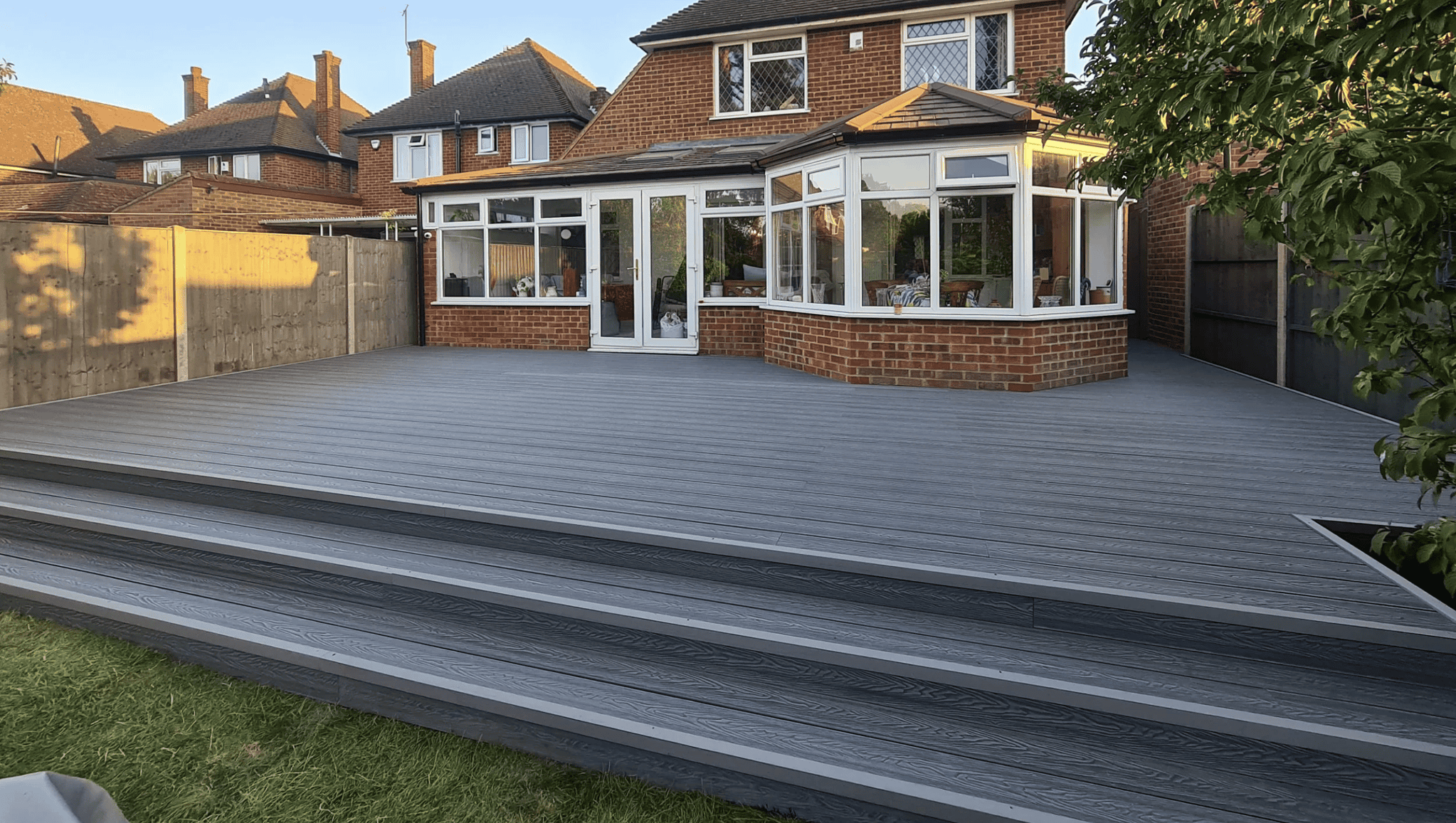
We look at board direction, finished height, steps, garden access, drainage and how the decking meets the house before recommending a layout. A narrow terrace may benefit from boards running away from the property to draw the eye into the garden, while a larger space might use changes in direction or contrasting borders to define separate dining and seating areas. Good decking should improve how the whole outdoor area works, not simply cover the ground underneath it.
Composite, Timber or Aluminium Decking?
There is no single decking material that suits every Hammersmith property. Composite decking is a popular all-round option because it combines a smart finish with very little routine maintenance. It does not require the annual staining and oiling associated with traditional softwood decking, making it particularly attractive for busy homes, rental properties and gardens where easy maintenance is important.
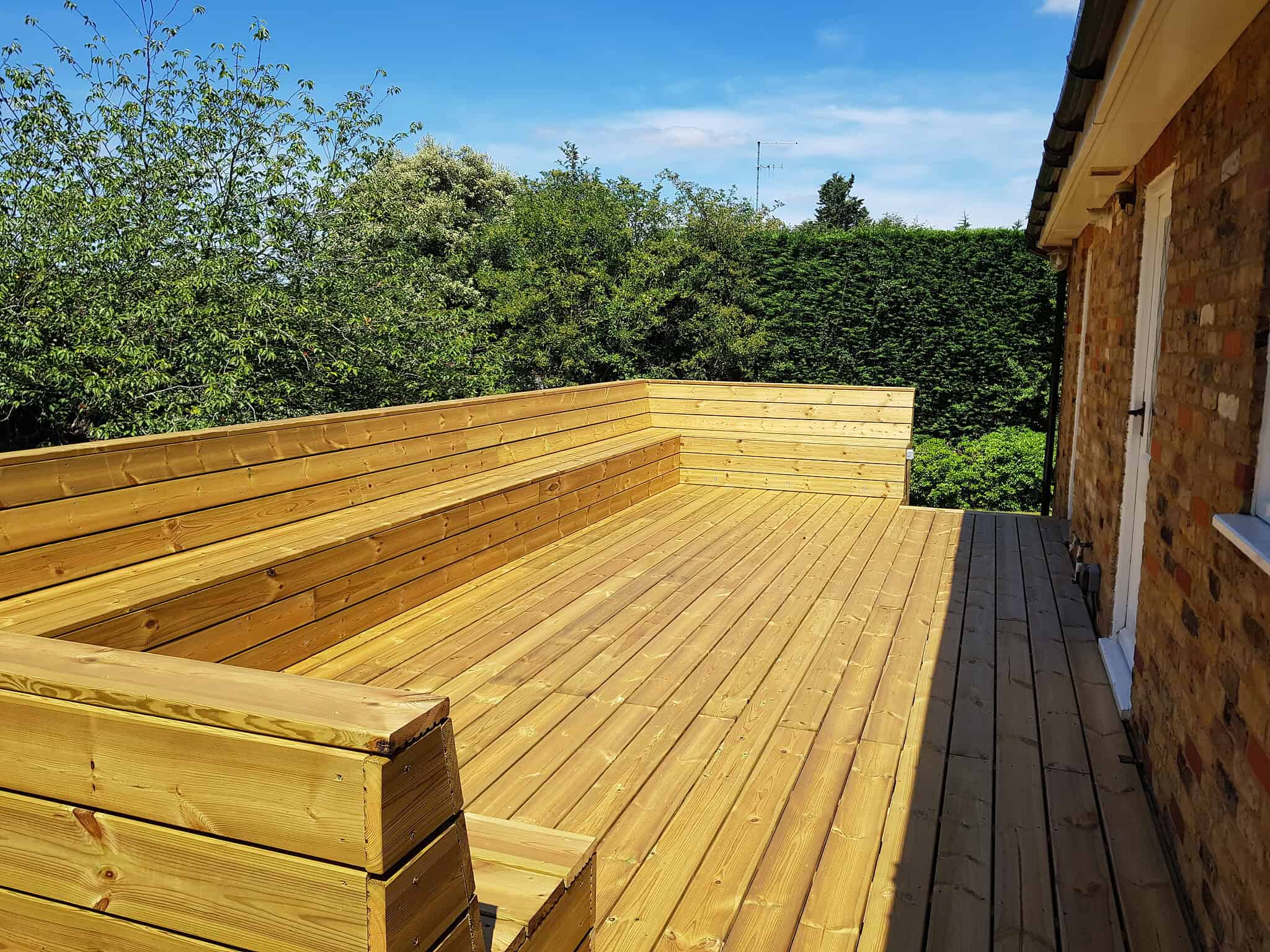
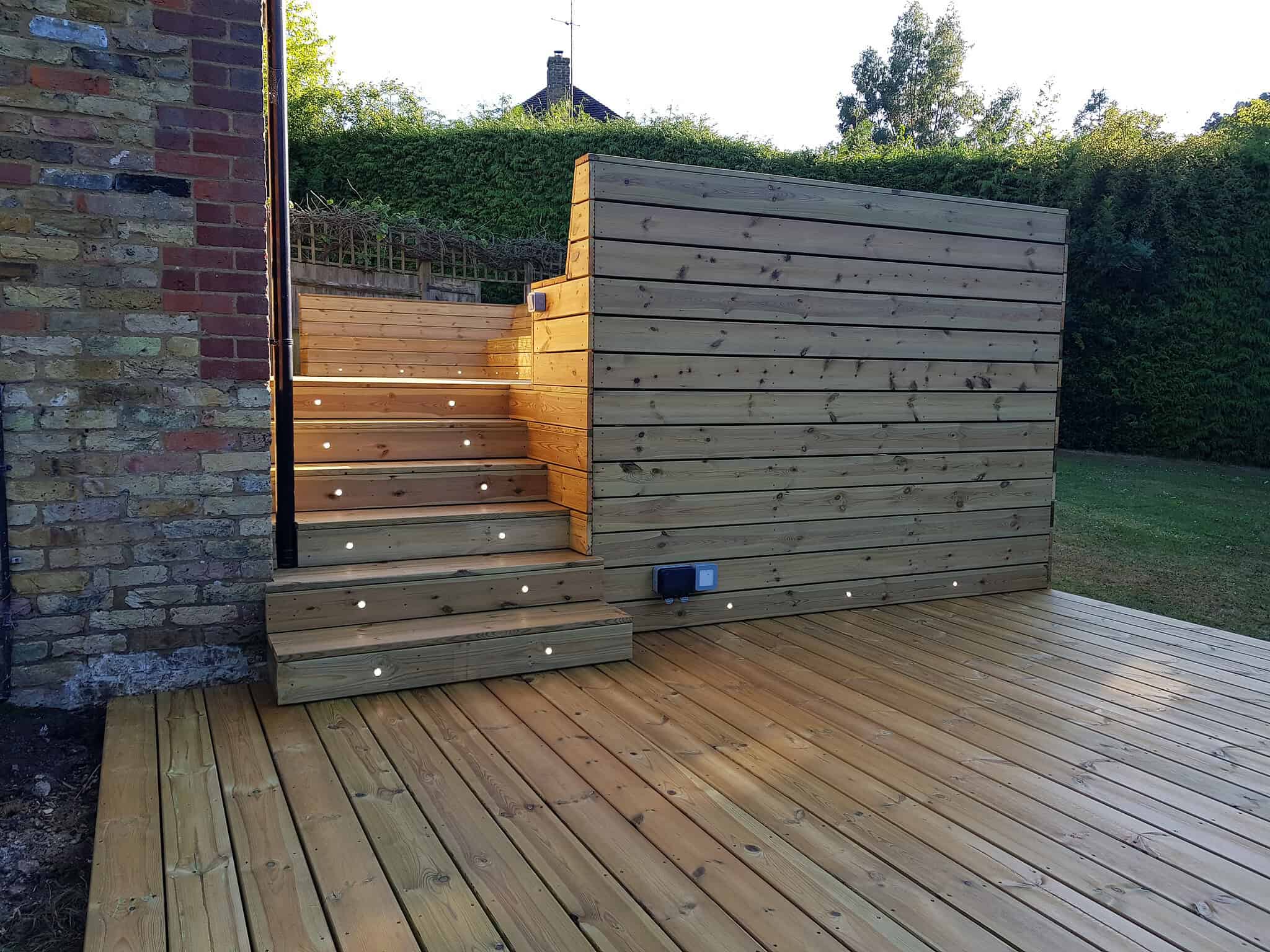
Timber decking brings a different character. Real wood has natural variation that works particularly well alongside brickwork, mature planting and traditional London properties. For clients who like that authentic appearance and are happy to maintain it over time, timber can still be an excellent choice. Aluminium decking, meanwhile, can be suitable for certain balconies, roof terraces and developments where a robust, non-combustible decking system may be required.
The best material depends on far more than colour. We consider the position of the deck, exposure to weather, intended use, maintenance expectations and any building-specific requirements before recommending an option. This gives clients a practical comparison rather than automatically specifying the same material for every job.
Decking for Gardens, Balconies and Riverside Terraces
A Decking Installation Planned Properly from the Ground Up
The boards are the part everybody sees, but a long-lasting deck starts underneath them. Before installation begins, we assess the surface, levels and drainage and establish where the supporting structure can be positioned. This is particularly important in older Hammersmith gardens, where previous paving, extensions, inspection chambers and historic landscaping can all influence how the new deck needs to be built.
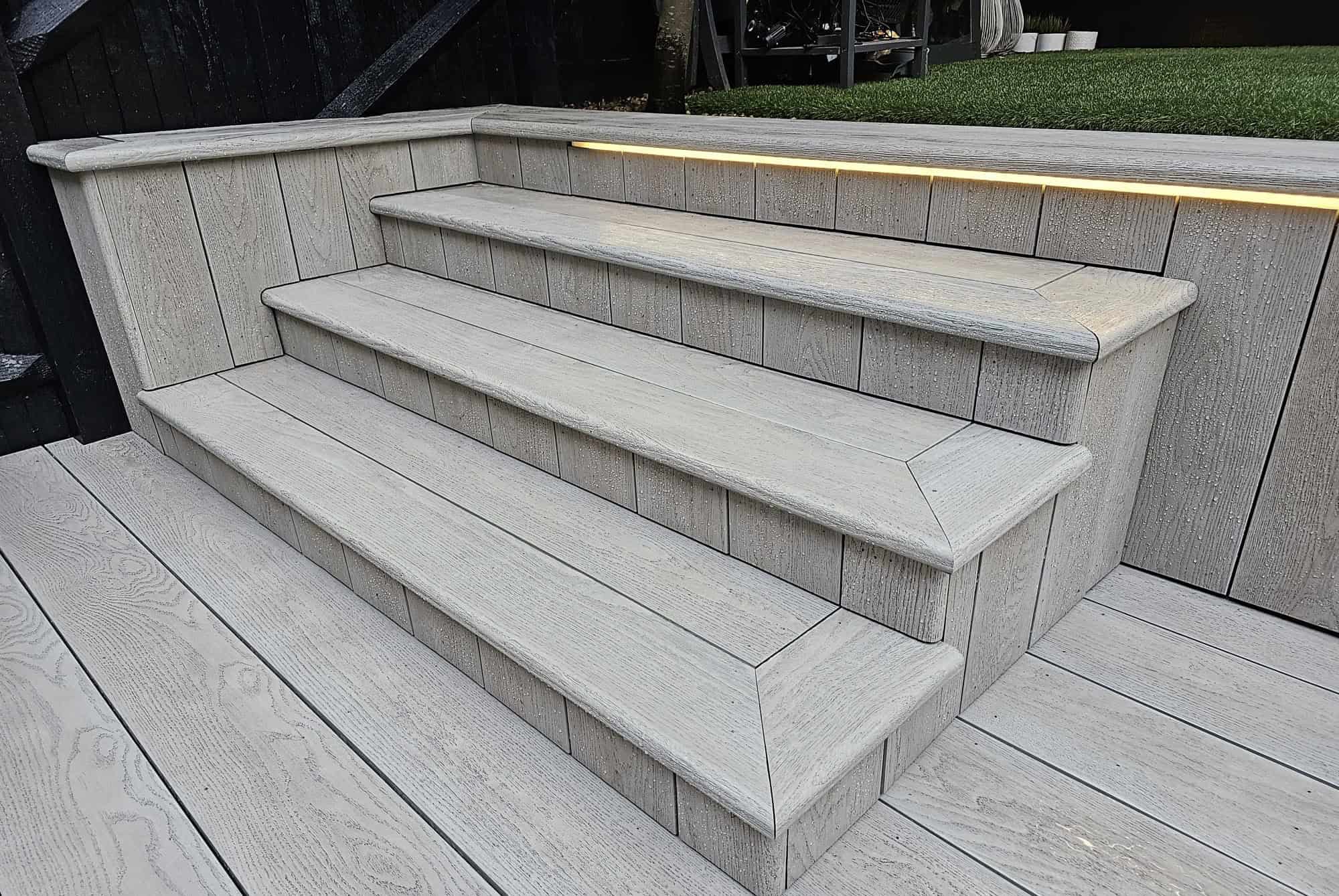
We then plan the visible details. Board colours can be matched with brickwork, rendered extensions, garden furniture or door frames. Steps and borders can be introduced where they improve the design rather than simply adding unnecessary detail. For contemporary properties, hidden fixing systems and clean edges can give a particularly sharp finish, while traditional gardens may suit warmer board colours and softer transitions into planted areas.
Access is another important part of working in Hammersmith. Terraced houses may have little or no side access, meaning boards and structural materials need to be moved carefully through the property. Apartment developments can involve communal corridors, lifts or restricted loading arrangements. We look at these practicalities before installation starts so the job can be organised properly and disruption kept under control.
Owner-Led Decking Work with Long-Term Support
The company owner works directly on every decking project undertaken, maintaining hands-on involvement throughout the installation rather than simply arranging the work and passing it to another team. That brings consistency to the finished result and means there is clear accountability from the initial preparation through to the final board being fitted.
Once installed, we explain how best to look after the chosen material. Composite and aluminium systems require relatively little routine attention, while timber needs more regular care to maintain its appearance. Whichever material is used, the goal is the same: a properly constructed outdoor space that feels solid, looks right for the property and remains enjoyable to use for years.
With our 10-year warranty, you can invest in your outdoor living space with complete peace of mind.

Frequently Asked Questions About Decking in Hammersmith
Got questions about decking in Hammersmith? We’ve answered some of the most common queries we receive about composite, timber, aluminium and balcony decking, including installation, maintenance and planning considerations.